October 24, 2026
Do You Have to Compete to Train Brazilian Jiu-Jitsu?
Tournament photos are often the first thing people notice when they discover Brazilian Jiu-Jitsu. They see medals, serious faces and athletes preparing for matches. It is easy to assume that joining a class means eventually signing up for a competition.
It does not have to. Many people study Jiu-Jitsu because they enjoy learning a demanding skill, being active and practicing with training partners. Competition is one possible part of the sport, not the reason everyone has to train.
What regular training looks like
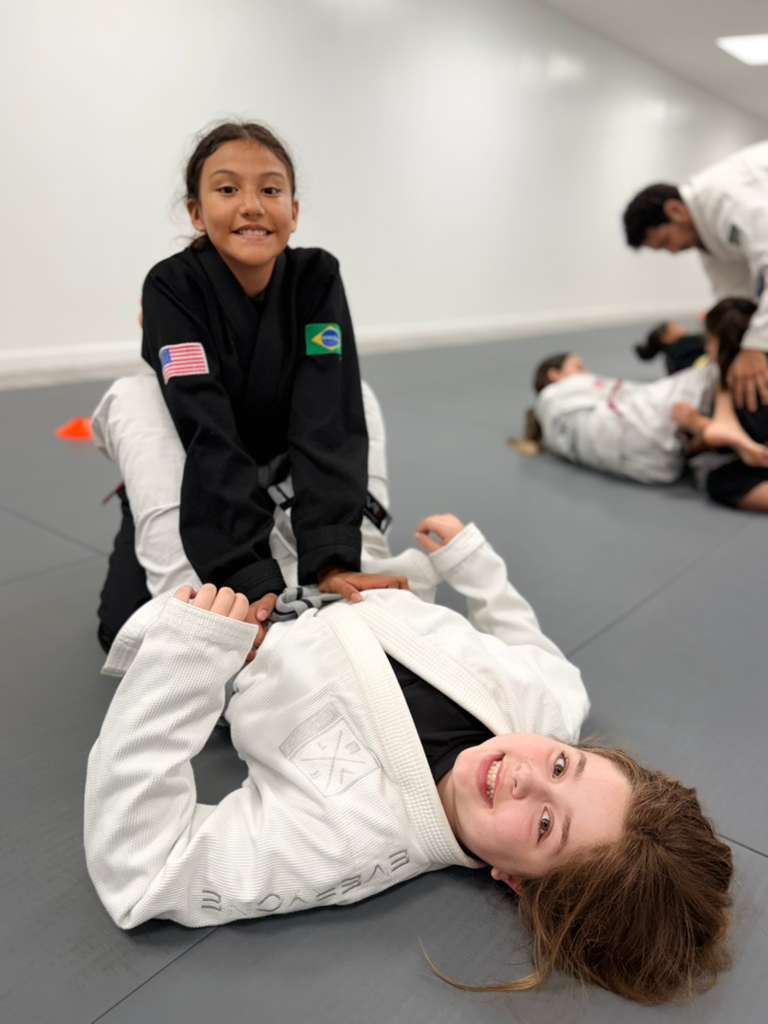
In a typical Jiu-Jitsu class, students learn positions and movements, practice with partners and receive feedback from the instructor. Depending on the class, there may also be controlled live practice.
The purpose of those sessions is to get better at Jiu-Jitsu. You can work on balance, movement, escapes and decision-making without ever entering a tournament.
Someone preparing for competition may approach some training sessions differently. That does not mean a recreational student is learning a different martial art.
Is sparring the same as competing?
No. In Jiu-Jitsu, sparring is often called rolling. It is a training activity with a partner, while a tournament match follows event rules and has an official result.
During regular practice, you can focus on a position, try something unfamiliar or slow down when needed. The aim is learning with your partner, not collecting a win on a scoreboard.
Live training can still be physically demanding. Ask the instructor when and how beginners take part, what the expectations are for tapping and how partners are matched.
There are good reasons to train without tournaments
For some adults, an evening class provides a break from sitting at a desk all day. Others enjoy a structured hobby that keeps them mentally engaged. Some simply like solving the problems that appear when someone tries to control a position.
None of those goals requires an audience or a medal. Training consistently can be worthwhile even if your only goal is understanding a little more this month than you did last month.
People also have different responsibilities, injury histories and comfort levels. An individual approach to training is more useful than trying to make everyone follow the same competitive path.
What if you decide to compete later?
You do not need to settle that question during your first class. Some students become interested in tournaments after gaining experience. Others remain happy training recreationally.
If competition does become a goal, speak with the coaching staff before entering an event. They can explain what preparation may involve, which rule sets matter and whether your current experience makes a particular event appropriate.
A tournament can give a student a different kind of challenge, but it is not the only way to measure progress.
How can you tell if a school fits your goals?
Before joining, tell the academy why you want to train. A direct conversation can clarify whether the normal classes match your expectations.
Useful questions include:
- Are there regular classes for adults who do not plan to compete?
- How is live practice introduced to first-time students?
- Can I focus on technique and recreational training?
- Do class expectations change for students preparing for tournaments?
- What happens if I need to reduce intensity or take a break?
Pay attention to how the instructor answers, not just whether the school has competitive athletes.
Finding an adult BJJ class in South Florida
Everyone Jiu Jitsu publishes BJJ All Levels programs for adults at its Cooper City and Miami Shores academies. The site also shares stories about students who compete, but those posts do not tell you what your personal training goals must be.
You can explore the adult program in Cooper City or the adult program in Miami Shores. Ask the coaches how beginners and recreational students are supported before committing to a schedule.
The first step is still a class
You can learn a lot by seeing a regular training session. Notice how people work with partners, how instructors communicate and whether you feel comfortable asking questions.
Everyone Jiu Jitsu offers free trial classes in Cooper City and Miami Shores. Tell the team that you want to learn Jiu-Jitsu without a competition goal. That is a reasonable place to begin the conversation.