October 19, 2026
What Parents Should Look for in Teen Jiu-Jitsu Classes in Miami Shores
A teenager may be interested in Jiu-Jitsu for reasons that have little to do with why a parent starts looking for a class. One wants something challenging to do after school. The other wants to know whether the environment is organized, respectful and appropriate for their child's age.
Those priorities can meet in the same room. The trick is knowing what to look for before signing up.
Teen classes should feel different from little kids' classes
A thirteen-year-old has different attention, coordination and social needs from a child in kindergarten. That does not mean every teenager needs a highly competitive atmosphere. It means the instruction should match the group.
Ask how classes are organized by age and experience. A coach should be able to explain why students are grouped together and how new teenagers are introduced to the basic positions.
At Everyone Jiu Jitsu in Miami Shores, the published schedule separates Juniors BJJ for ages 10 to 12 from Teen BJJ for ages 13 to 15. Parents can check the current Miami Shores schedule before selecting a visit.
Look for actual instruction, not constant intensity
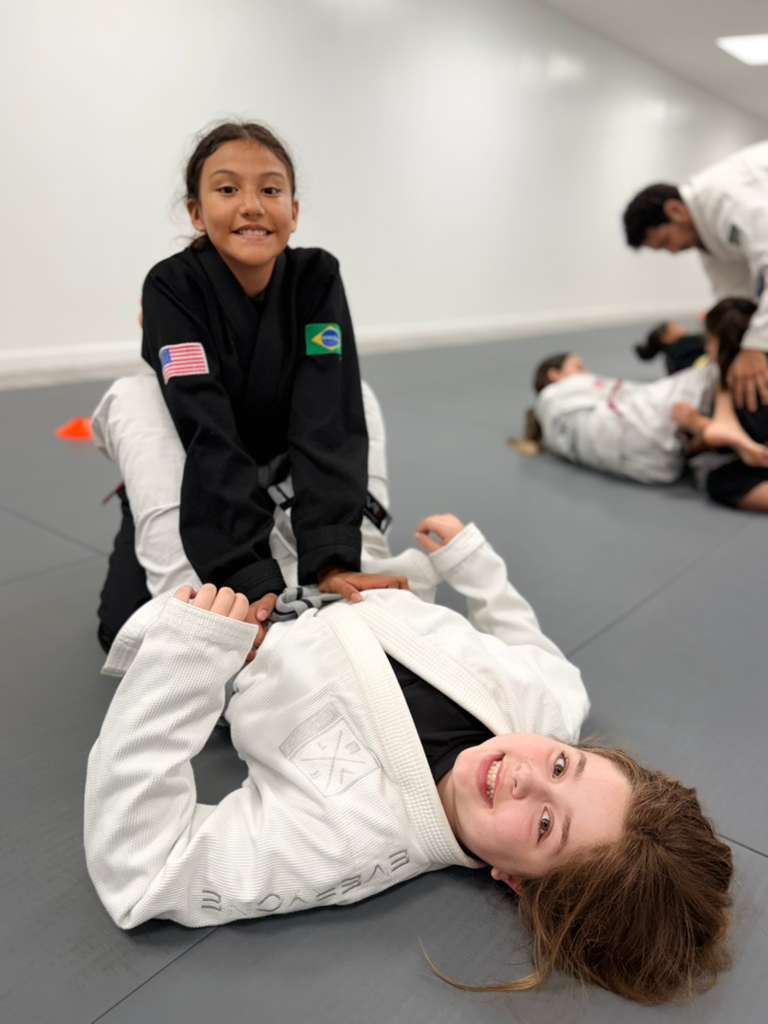
Jiu-Jitsu involves physical contact, but a class should still have a clear learning goal. You might see a coach demonstrate a position, students practice it with partners and instructors make adjustments as the room works.
Watch whether the coach stops a drill when necessary and helps students understand what went wrong. Being tired is not proof that someone learned. A student should have opportunities to ask questions, practice with control and improve at a manageable pace.
For a teen who is new to martial arts, the ability to repeat a movement without feeling rushed can matter more than how many techniques appear in a single class.
Ask how partners are selected
Partner work is part of Brazilian Jiu-Jitsu. It is reasonable for parents to want to understand how instructors pair students with different sizes and skill levels.
Ask what the class rules are for tapping, stopping a drill and telling a coach when something feels uncomfortable. Your teenager should know that asking to stop is part of responsible training, not a sign that they failed.
A respectful training partner is someone who makes the practice possible for both people. That is a useful standard to observe during a trial class.
Let your teenager have a voice
Parents often focus on safety, scheduling and progress. Teenagers may be thinking about whether they will fit in, whether the class seems awkward or whether they will enjoy it enough to return.
Both perspectives matter. After the visit, ask what your teen thought of the instructor, the other students and the pace of class. An honest answer is more useful than trying to persuade them that they should love it immediately.
If they liked some parts but felt nervous about others, that can be a conversation with the coach. New environments take time to get used to.
Make the weekly routine realistic
Even a motivated teenager has homework, family plans and other commitments. Before enrolling, look at the class days that could work for most of the school year.
The Miami Shores academy lists dedicated teen sessions as part of its youth schedule. Check the current timetable and ask which group is most suitable if your teenager is close to an age cutoff or has previous training experience.
For families comparing options, the Miami Shores kids and teen program page explains the age-based structure.
What should a parent ask during the trial?
You can learn a great deal from three simple questions:
- How do you introduce a teenager who has never trained before?
- What should a student do if a drill or partner pairing feels uncomfortable?
- How do you help a teen progress without putting unnecessary pressure on them?
Listen for specific explanations. You do not need a promise about confidence or discipline. You need to understand how the class is taught.
Visit the academy together
The easiest way to judge whether a program feels right is to experience it. A first visit gives your teenager a chance to see the room and gives you an opportunity to speak with the people who teach there.
Everyone Jiu Jitsu offers a free trial class in Miami Shores. Share your teen's age when booking, confirm the appropriate class and use the visit to decide whether the setting is a good match for your family.