November 16, 2026
By Everyone Jiu Jitsu Team
Jiu Jitsu for Siblings in Cooper City and How to Plan Classes for Different Ages
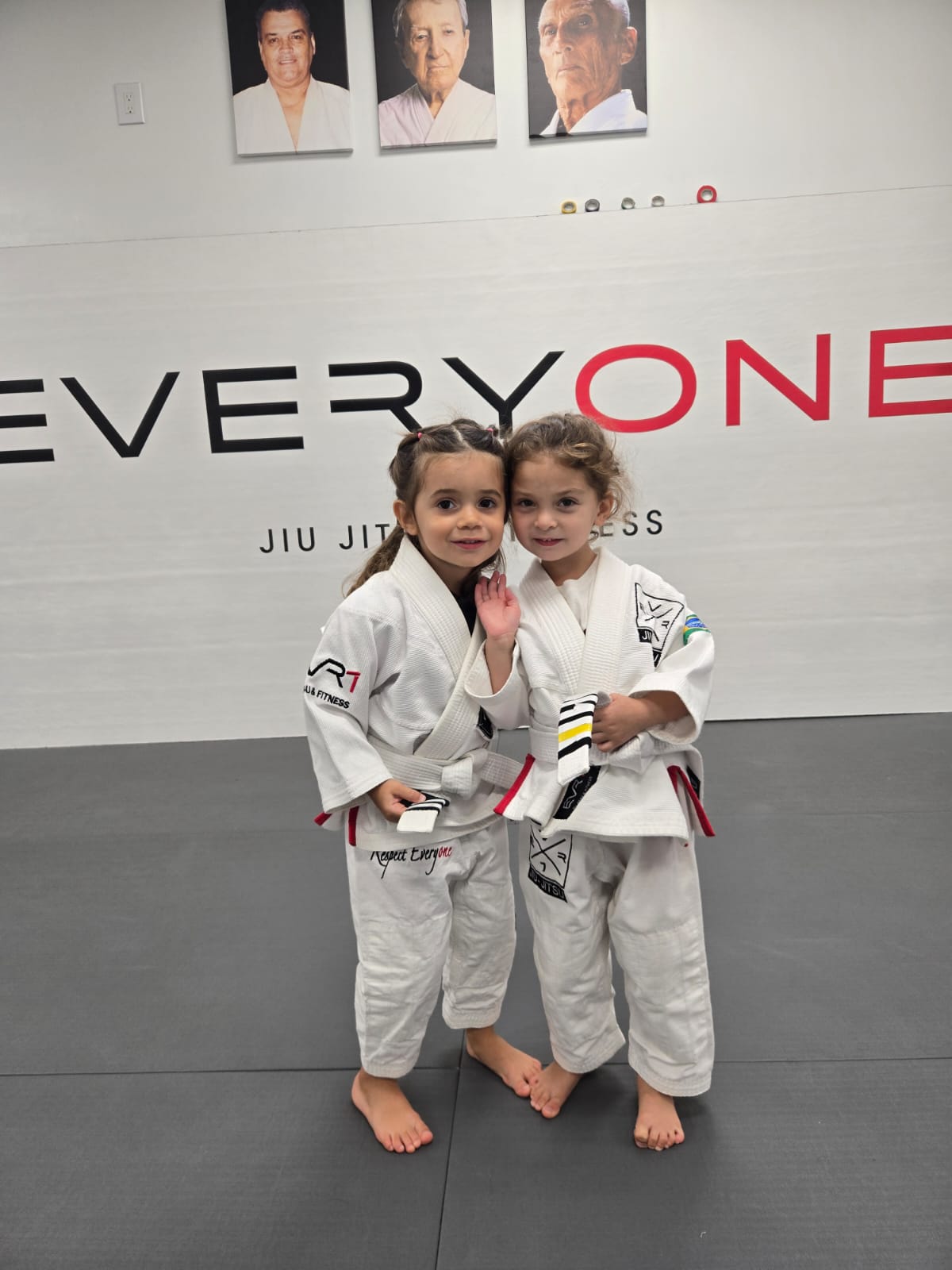
When one child wants to try Jiu-Jitsu, the next question may come from their brother or sister: "Can I go too?"
For parents, that can be appealing. One academy, one activity to understand, and fewer separate places to drive. But children of different ages may need different classes, and a convenient plan still has to work for each child.
At Everyone Jiu Jitsu in Cooper City, youth programs are organized by age. That gives families a useful starting point for planning, without assuming siblings should share a class or follow the same path.
Start with the right group for each child
A four-year-old and an eight-year-old can both be beginners. They still need different explanations, expectations and activities.
EVR1 lists Tiny Champs for ages 3–4, Mini Champs for ages 5–6, Little Champs for ages 7–9, and Juniors & Teens for ages 10–15. You can explore the kids Jiu-Jitsu programs in Cooper City before contacting the team.
Age groups help organize that first conversation. Tell the academy each child's age and previous experience, including whether one has trained before. Ask the team to confirm the appropriate class for each child rather than selecting a group simply because it suits the family calendar.
Check the whole visit rather than a single class time
Two classes on the same day can still mean a long afternoon if there is a large gap between them. Classes on separate days may be easier if one child has homework, another activity or a different bedtime.
Open the Cooper City class schedule and look at the full visit: travel, arrival, both classes and the trip home. Write down the options that seem realistic, then ask the academy which visits it can accommodate.
For example, a family with a five-year-old and an eight-year-old would start by comparing Mini Champs and Little Champs. The goal is to find suitable classes for both children. It is not to move one into the wrong age group to make the times align.
Confirm current availability before making a recurring plan. A published timetable helps you compare options; it does not reserve a place.
Let each sibling have a separate first impression
One child may walk onto the mats immediately. Another may need more explanation before joining an unfamiliar group.
Prepare them with a simple description: they will meet a coach, listen to instructions and learn movements with other students. Avoid telling the quieter child to behave like the more confident one. The first visit should help you understand how each child responds to the class.
Afterward, ask each child a specific question: "What did you practice?" or "Was there anything you wanted the coach to explain again?" Their answers may tell you more than asking whether they were better than their sibling.
Keep progress out of the family competition
Siblings often compare themselves without any help from adults. Belts, stripes and unfamiliar movements can become another way to keep score.
Try to keep the conversation tied to each child's own learning. Remembering a direction, asking for help or working respectfully with a partner are useful things to notice. A younger child does not need to catch up with an older sibling, and an older child does not need to be responsible for the other's progress.
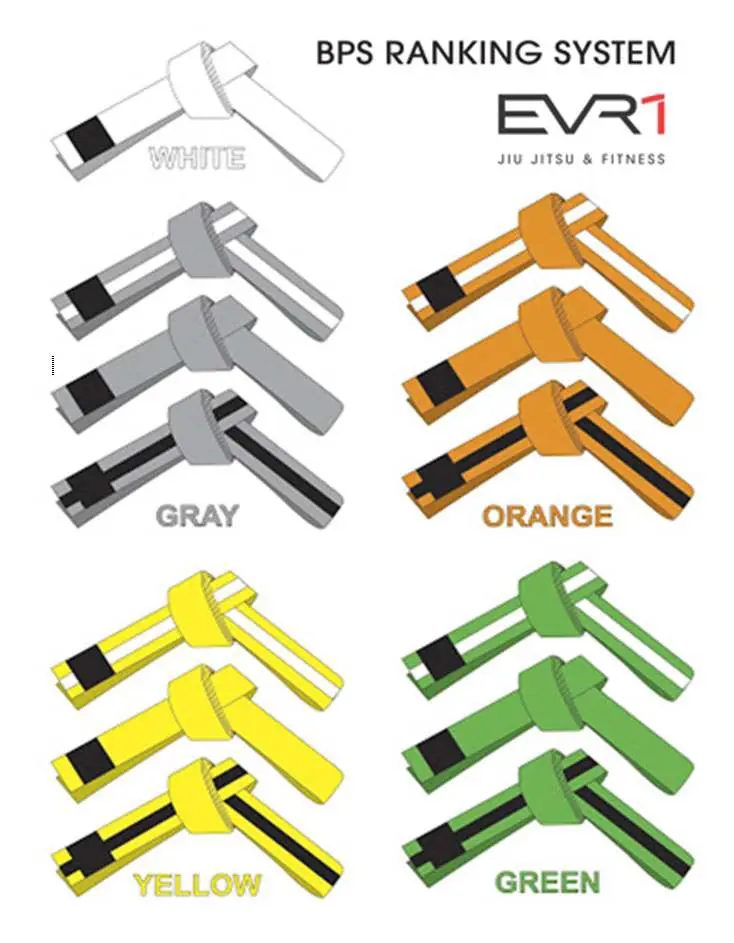
If you want to understand how recognition works, read about the EVR1 youth grading system and ask the instructor how it applies to each child's group.
Ask practical questions before enrolling both children
A short conversation can prevent assumptions that become frustrating later. Ask the team which classes suit each child, how trial visits should be arranged and what each child should wear.
Also ask about supervision while one sibling is waiting, the current parent viewing policy and the terms of any membership options you are considering. Do not assume simultaneous classes, childcare, a shared membership or a sibling discount are included.
It is reasonable to explain the family's limits. If you can only attend on particular days, say so before choosing a plan. A routine that fits the household is easier to evaluate honestly than one that depends on rushing every week.
Plan a first visit to EVR1 Cooper City
Everyone Jiu Jitsu's Cooper City academy is at 2585 N Hiatus Rd. You can review the Cooper City academy page or call +1 (754) 203-6645 to discuss the children's ages and your scheduling questions.
Ready to explore the classes? Request a free trial in Cooper City and tell the team you are planning visits for siblings. Ask the academy to confirm the arrangements for each child.
The best family plan gives both children an appropriate place to start and a routine you can actually maintain.